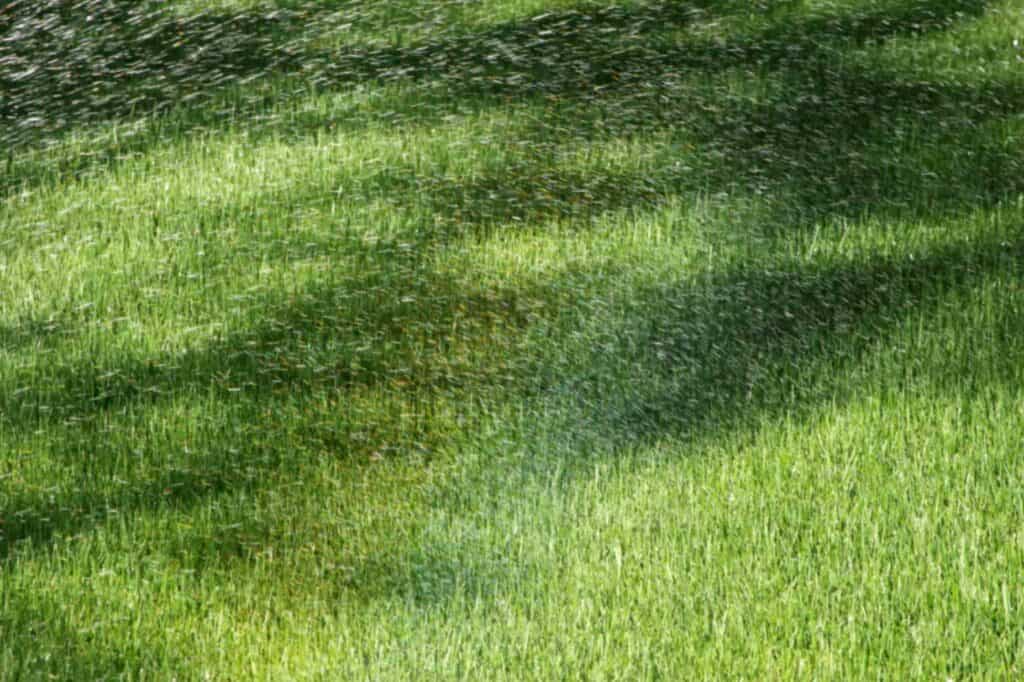
A shady lawn can feel like it is always one step behind. You look out and see certain areas that never quite fill in, or spots where the grass looks thinner, no matter how consistent you are with watering and mowing. It is frustrating because the effort is there, but the results do not match.
The truth is, shade changes how a lawn behaves at its core. Grass depends on sunlight to stay thick, recover from stress, and maintain color. When that light is limited, the type of sod you choose becomes even more important. At Council Growers Sod, we help homeowners make the right call early so they are not stuck trying to fix the same problem season after season.
Shade Isn’t the Problem, Mismatch Is
Most shaded lawns fail for one simple reason. The sod was never meant to grow in those conditions. It is easy to assume that all grasses struggle equally in shade, but that is not the case. Some varieties are built to handle filtered light and reduced sun exposure, while others rely on full, direct sunlight to perform. When the wrong type is installed, it does not matter how well you care for it. The lawn will always feel like it is underperforming. The goal is not to find a “perfect” shade grass. It is to find one that fits your environment well enough to grow consistently and hold its appearance over time.
The Truth About Shade-Tolerant St. Augustine
There is a common misconception that certain St. Augustine varieties dramatically outperform others in shade. In reality, the difference is not as extreme as people expect.
Most shade-tolerant St. Augustine grasses perform very similarly when it comes to light requirements. They generally need about 4 to 6 hours of good filtered sunlight throughout the day to stay healthy. That is the baseline where you start to see solid, consistent growth.
Where they differ is not in raw shade tolerance, but in how they look, how they grow, and how they handle things like maintenance, density, and overall appearance. That is an important distinction, because it shifts the decision from “which one survives best” to “which one fits your lawn best.
CitraBlue St. Augustine: Consistency Across Changing Light
CitraBlue St. Augustine is a strong choice for lawns that deal with a mix of sun and shade throughout the day. It was developed to improve on older St. Augustine varieties, and one of the biggest advantages is how consistent it looks across different parts of the yard.
What Stands Out About CitraBlue
CitraBlue tends to hold its color well and fill in evenly, even when sunlight is not perfectly consistent. That makes it a great fit for properties where some areas get more exposure than others.
Where It Works Best
It performs well in backyards with tree coverage, side yards, or areas where light shifts throughout the day. Instead of seeing sharp differences between sunny and shaded sections, the lawn feels more connected.
ProVista St. Augustine: Clean, Dense, and Low-Maintenance
ProVista St. Augustine is often chosen for its ability to maintain a clean, full appearance with less ongoing effort. While its shade tolerance is in line with other St. Augustine varieties, the way it grows can make a noticeable difference in how the lawn holds up.
What Makes ProVista Different
ProVista grows dense enough to naturally reduce weed pressure. In shaded lawns where thinner grass can create openings for weeds, this becomes a major advantage over time.
Where It Fits
It is a great option for homeowners who want a uniform look in shaded or partially shaded areas without constantly managing problem spots. The lawn tends to feel more stable and easier to maintain once it is established.
Bitterblue St. Augustine: A Proven, Trusted Option
Bitterblue St. Augustine has been around for a long time, and there is a reason it continues to be a go-to choice. It performs reliably in shaded environments and brings a classic look that many homeowners are familiar with.
Why Bitterblue Still Holds Its Ground
Bitterblue is known for its fine texture and dense growth pattern. It establishes well and creates a lawn that feels soft and full once it matures.
Where It Makes Sense
It works well in properties with steady shade and filtered light throughout the day. For homeowners who want something proven and dependable, Bitterblue continues to be a solid option.
Empire Zoysia: When Shade Isn’t the Only Factor
Empire Zoysia brings something different to the table. It is not a heavy shade solution, but it performs well in areas that receive partial sunlight or filtered light during the day.
This makes it a good fit for lawns that are not fully shaded but still deal with coverage from trees or surrounding structures.
What Sets Empire Zoysia Apart
Empire Zoysia forms a dense, structured lawn that holds up well under foot traffic. It creates a more uniform, carpet-like appearance compared to St. Augustine varieties.
Where It Works Best
It is best suited for areas that get a balance of sun and shade. When there is enough light to support it, the lawn feels durable, clean, and well-defined.
Matching Your Lawn to the Right Conditions
One of the most important steps in choosing sod is taking a realistic look at how much light your lawn actually gets. Not what it feels like, but what is really happening throughout the day.
- Areas with 4 to 6 hours of filtered sunlight can support most shade-tolerant St. Augustine varieties
- Lawns with mixed sun and shade can also consider Empire Zoysia in the right spots
- Heavily shaded areas still need some level of consistent light to maintain healthy growth
Getting this part right removes a lot of guesswork and sets your lawn up for long-term success.
Small Changes That Help Shady Lawns Perform Better
Even with the right sod in place, shaded lawns benefit from a slightly different approach to maintenance. These are simple adjustments, but they go a long way.
- Mow slightly higher to help the grass capture more available light
- Be careful not to overwater since shaded soil holds moisture longer
- Trim back surrounding trees or plants where possible to improve light exposure
- Stay consistent with fertilization to support steady, healthy growth
These changes help the sod establish properly and maintain a fuller, more even appearance.
The Right Choice Is About Fit, Not Ranking
There is no single “best” sod for every shaded lawn. CitraBlue, ProVista, and Bitterblue St. Augustine all offer strong performance in shade when the conditions are right, and Empire Zoysia can be a great fit in areas with more available light. The difference comes down to what your lawn needs and how you want it to look and perform over time. Once that match is right, everything becomes easier.
Let Your Lawn Finally Feel Complete
A shaded lawn does not have to feel like a constant compromise. With the right sod in place, those uneven areas start to blend in, growth becomes more consistent, and the lawn begins to look the way it should. Explore your options, or stop by Council Growers Sod, get directions here, to see these varieties in person. We will help you choose what fits your property best so your lawn can finally come together the right way.