
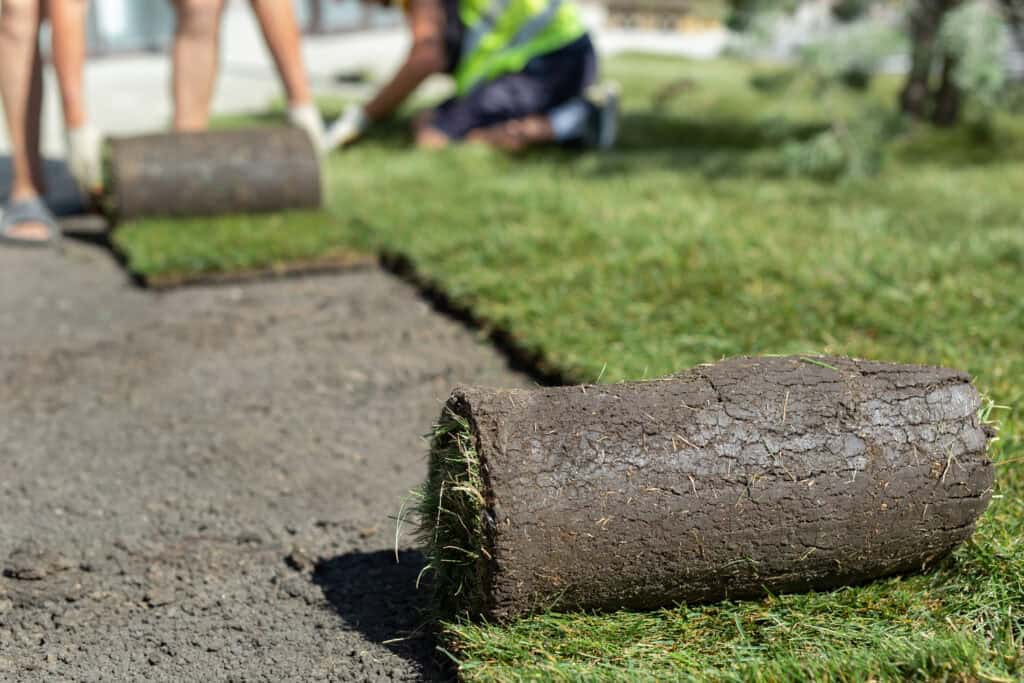
A fresh lawn can change the entire look of a home almost overnight. Bare dirt, patchy grass, and worn-out areas suddenly become a thick green lawn that makes the yard feel finished. Sod offers that immediate transformation, but getting it from a pallet to a healthy, established lawn takes more than rolling it out and turning on the sprinkler.
Many of the problems homeowners experience with new sod actually begin during installation. Poor soil preparation, uneven placement, delayed watering, and other seemingly small mistakes can keep roots from establishing properly and leave you repairing a lawn you just paid to replace.
Mistake #1: Treating the Ground Like It Is Ready for Sod
One of the easiest mistakes to make happens before the first piece of sod ever touches the ground. The existing yard may look relatively flat and clear, but that does not necessarily mean it is ready for new grass. Sod needs good contact with properly prepared soil so its roots can begin growing into the ground beneath it. Simply placing sod over compacted soil, old grass, weeds, rocks, or uneven areas can create problems almost immediately. Before installation, the area may need:
- Existing grass and weeds removed
- Rocks, roots, and other debris cleared away
- Compacted soil loosened
- Low and high spots corrected
- The surface properly graded
- Soil amendments added when appropriate
- The final surface smoothed before sod is placed
Skipping this work can lead to poor rooting, uneven growth, drainage problems, and sections of sod that struggle to establish. The lawn may look great on installation day but begin showing trouble once the grass has to rely on its new root system.
Mistake #2: Assuming Sod Installation Is Just “Roll It Out and Water It”
Sod installation looks simple when you watch an experienced crew do it. Rolls or pieces go down quickly, seams look clean, and an unfinished yard becomes a lawn in a matter of hours. That speed comes from knowing how the ground should be prepared and how each piece should be installed.
Small Installation Errors Can Become Big Lawn Problems
Gaps between pieces can dry out and create visible seams. Pieces that overlap can leave raised areas and prevent consistent rooting. Poor soil contact can create air pockets underneath the sod, while incorrect grading may cause water to collect in some areas and run away from others.
Professional installation takes the entire lawn into account, not just the placement of individual pieces. That can make an especially big difference on larger properties, yards with slopes, irregularly shaped areas, or lawns that already have drainage or grading concerns.
Mistake #3: Waiting Too Long to Install Fresh Sod
Fresh sod is a living product. Once it has been harvested, the clock starts ticking. Leaving sod sitting on a pallet for too long, especially in Florida heat, can cause it to dry out and become stressed before it ever reaches the soil. Homeowners sometimes order sod before the yard is completely prepared and then discover they need another day to finish clearing, grading, or leveling the area. By the time installation begins, the sod may already be losing valuable moisture.
Your installation area should be ready before the sod arrives. If you are handling the project yourself, plan the timing carefully so you can begin laying the sod as soon as possible rather than letting fresh material sit while you finish preparing the yard.
Mistake #4: Getting the Watering Wrong From Day One
Water plays a huge role in whether a newly installed lawn establishes successfully. New sod needs enough moisture to prevent it from drying out while its roots begin growing into the soil. The challenge is that homeowners can run into trouble on both sides by watering too little or watering without paying attention to actual lawn conditions. A few common watering mistakes include:
- Waiting too long after installation to begin watering
- Missing edges or corners of the lawn
- Assuming rainfall provided enough moisture
- Allowing certain areas to become consistently soggy
- Following the same watering routine indefinitely
- Failing to account for weather and soil conditions
The goal is to support healthy root establishment, not simply keep the grass blades looking wet. Watering needs can change as the sod begins to take root, so the lawn should be monitored closely during those important first weeks.
Mistake #5: Walking, Playing, and Mowing Too Soon
A beautiful new lawn is tempting. The kids want to run across it, the dog is ready to investigate, and you may already be thinking about the first mow. Newly installed sod, however, needs some time before it can handle normal lawn traffic. During the early establishment period, the roots are still working their way into the soil underneath. Heavy foot traffic can shift pieces, create uneven areas, and interfere with that process.
Give Your New Lawn Time to Settle In
Keep unnecessary traffic to a minimum while the sod is establishing. Mowing should also wait until the lawn is ready, rather than automatically happening on your normal mowing day. When it is time for that first cut, avoid removing too much of the grass blade at once. A little patience during the beginning can help protect the work and money that went into creating the new lawn.
Mistake #6: Choosing DIY for a Project That Is Bigger Than Expected
Installing a few pieces of sod to repair a small section of lawn is very different from replacing an entire yard. Large sod projects involve much more than the square footage of grass you need to purchase. Removal, soil preparation, grading, delivery timing, installation, cleanup, and watering all have to work together. This is where professional sod installation can save homeowners a considerable amount of work and help prevent expensive mistakes.
An improperly installed lawn may require sections to be replaced, grading to be corrected, or additional work to fix areas that never established properly. Council Growers Sod can handle professional sod installation so homeowners do not have to manage every step themselves. If your project involves a large area, difficult terrain, extensive preparation, or simply more work than you want to tackle over a weekend, professional installation can be the more practical route.
Mistake #7: Buying Sod Without Planning the Pickup
Some homeowners prefer to get their hands dirty, and a DIY sod project can absolutely make sense for the right yard. The important part is planning ahead, especially when you need a larger quantity of sod. Council Growers Sod does not offer same-day pickup for pallets of sod. Pallet orders can be picked up, but they generally require a couple of days’ notice. Planning ahead helps make sure your sod is available when your yard is prepared and you are ready to begin installation.
For smaller repairs and projects, sod is also available by the piece for same-day pickup at our garden center. This can be a convenient option when you are replacing a small damaged area, filling in a section of the yard, or completing another project that does not require a full pallet.
A Better Lawn Starts With Getting the Installation Right
New sod is an investment in your home, and the quality of the installation can have a lasting impact on how that investment turns out. A lawn that is properly prepared, installed, watered, and cared for has a much better opportunity to establish strong roots and develop into the thick, healthy grass you wanted in the first place. Whether you want us to handle the installation or you are ready to tackle the yard yourself, contact Council Growers Sod to get started with fresh sod for your property.