
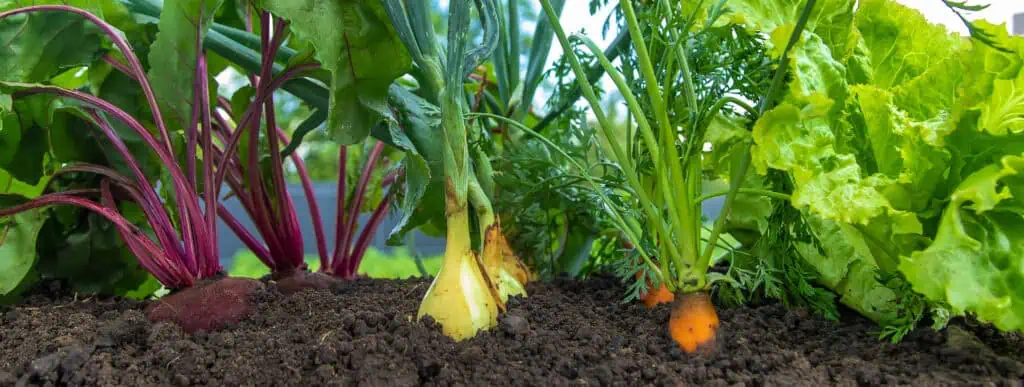
Florida gardeners learn quickly that summer does not play by the same rules as the rest of the country. While gardeners in northern states are harvesting tomatoes, spinach, and broccoli through the warm months, Florida’s intense heat, humidity, and frequent rainstorms can make those traditional favorites struggle. Many plants simply stop producing, become vulnerable to disease, or bolt before they have a chance to thrive.
That does not mean your garden has to sit empty until fall. Some vegetables actually love Florida’s summer conditions and can produce impressive harvests when other crops are fading. At Council Growers Sod, we help gardeners throughout Florida find plants that are suited to our unique climate, and summer offers more opportunities than many people realize. If you’re looking to keep your garden productive through the hottest months of the year, choosing heat-loving vegetables is the key.
When Florida Summer Becomes Too Much for Traditional Vegetables
Many first-time Florida gardeners spend June and July wondering why their vegetable garden suddenly looks tired. The reality is that many popular garden vegetables are cool-season crops in Florida. Once temperatures remain consistently high, production slows and plant health declines. Some of the vegetables that generally struggle during Florida’s hottest months include:
- Tomatoes
- Spinach
- Kale
- Broccoli
- Cauliflower
- Carrots
- Beets
- Lettuce
- Cabbage
These vegetables typically perform much better when planted between late summer and fall. In fact, many Florida gardeners begin preparing for their fall vegetable gardens between August and October when temperatures start becoming more manageable. Instead of fighting Florida’s climate, successful gardeners work with it by selecting crops that naturally thrive in heat and humidity.
The Summer Garden Superstar That Keeps Producing
Few vegetables handle Florida summers as well as okra. When temperatures climb into the 90s, okra continues growing vigorously and producing pods throughout the season. One reason gardeners love okra is its reliability. Once established, the plants require relatively little attention and can continue producing for months. The tall plants also add visual interest to garden beds and food forests while providing an abundant harvest.
Why Gardeners Love Growing Okra
- Thrives in extreme heat
- Produces continuously throughout summer
- Handles Florida humidity well
- Requires relatively little maintenance
- Can be harvested frequently
Fresh okra is incredibly versatile in the kitchen. Whether grilled, roasted, fried, or added to soups and stews, it remains a staple in many Southern gardens for good reason.
Council Growers Sod currently carries okra in our garden center, making it easy to add this summer favorite to your garden while conditions are ideal.
Sweet Potatoes Do More Than Fill Your Plate
Many gardeners think of sweet potatoes only as a root crop, but these vigorous plants offer much more. Sweet potatoes are exceptionally well-suited for Florida summers and can serve multiple purposes within a landscape. Their sprawling vines create attractive ground cover that helps suppress weeds and protect soil from excessive heat. Beneath the surface, the plants develop nutrient-rich sweet potatoes that can be harvested later in the season.
Another benefit many gardeners overlook is that sweet potato leaves are edible. The young leaves can be prepared similarly to other leafy greens, giving gardeners two useful harvests from a single plant. For homeowners interested in creating an edible landscape or food forest, sweet potatoes can be one of the hardest-working plants in the garden.
A Climbing Plant With a Surprising Bonus
Luffa may be best known as the natural sponge found in bath products, but many people are surprised to learn it starts as an edible vegetable. Luffa belongs to the squash family and thrives during Florida’s hot, humid summers. Young fruits can be harvested and eaten similarly to squash. If allowed to mature fully, the interior develops into the familiar fibrous sponge.
Growing Luffa Successfully
Luffa performs best when given room to climb. Consider providing:
- Trellises
- Fences
- Arbors
- Pergolas
The vines can become quite large, creating shade and visual interest while producing an impressive number of fruits throughout the growing season. For gardeners looking to grow something a little different, luffa offers both culinary and practical benefits from a single plant.
Cow Peas Bring Protein and Soil Benefits
Florida summers can be challenging for many vegetables, but cow peas seem to welcome the heat. Also known as Southern peas, crowder peas, and black-eyed peas, these legumes are among the easiest summer crops to grow. Beyond producing edible peas that are rich in protein, cow peas help improve soil quality. As legumes, they naturally fix nitrogen in the soil, which can benefit future plantings. This makes them particularly valuable for gardeners focused on long-term soil health and sustainable growing practices.
Reasons Cow Peas Belong in a Summer Garden
- Excellent heat tolerance
- Productive throughout summer
- Rich source of plant-based protein
- Improve soil fertility
- Suitable for food forests and raised beds
Many gardeners use cow peas as both a food crop and a cover crop, making them one of the most versatile additions to a summer vegetable garden.
The Leafy Green That Doesn’t Mind the Heat
When lettuce wilts and spinach struggles, amaranth is just getting started. Amaranth is one of the best leafy greens for Florida summers. The plants grow rapidly, tolerate high temperatures, and provide a continuous source of nutritious leaves. Unlike many conventional greens, amaranth remains productive when the weather becomes intensely hot. The leaves can be prepared similarly to spinach and are popular in many cuisines around the world. Their mild flavor makes them easy to incorporate into soups, stir-fries, and sautéed vegetable dishes.
What makes amaranth particularly attractive is its appearance. Many varieties produce striking foliage in shades of green, red, purple, and gold, allowing gardeners to combine beauty and productivity in the same planting bed. For gardeners who miss harvesting fresh greens during summer, amaranth offers a practical solution that thrives where traditional leafy vegetables fail.
Thinking Beyond the Backyard Garden
More Florida homeowners are becoming interested in food forests and edible landscapes. Instead of separating ornamental plants from edible crops, these systems blend beauty and food production into one sustainable space. Heat-loving vegetables play an important role in these designs because they continue producing during Florida’s most challenging growing season. Plants such as sweet potatoes, okra, luffa, cow peas, and amaranth fit naturally into layered planting systems while providing food, shade, soil improvement, and visual appeal.
A productive food forest does not have to look like a traditional vegetable garden. Many of these summer crops can be incorporated into existing landscapes, creating spaces that are both attractive and useful. By choosing vegetables adapted to Florida’s climate, gardeners can spend less time fighting nature and more time enjoying successful harvests.
Find Summer Garden Favorites at Council Growers Sod
Summer gardening in Florida becomes much more rewarding when you focus on crops that naturally thrive in the heat. While tomatoes, broccoli, spinach, and other cool-season vegetables may need to wait until fall, crops like okra, sweet potatoes, luffa, cow peas, and amaranth can keep your garden productive throughout the hottest months of the year.
At Council Growers Sod, we proudly help Florida gardeners find plants that are suited for our unique growing conditions. Whether you’re expanding a backyard vegetable garden, starting a food forest, or looking for heat-loving crops that can handle summer weather, our team is here to help. Stop by our garden center, get directions here, to explore seasonal plant options, including fresh okra currently available, and discover new ways to keep your Florida garden growing all summer long.