In Florida, fall isn’t the end of gardening season. For many backyard gardeners, it’s the part they’ve been waiting for! As the intense summer heat begins to ease, the growing conditions become more inviting for vegetables, flowers, herbs, and other plants that struggled through the hottest months. It’s an opportunity to refresh your garden, try something new, and enjoy more time outdoors without the relentless summer sun.
But successful fall planting takes more than swapping out a few tired summer plants. Florida’s sandy soil, changing rainfall patterns, and occasionally unpredictable temperatures all play a role in how well your garden grows. A little preparation now can make a big difference in how your plants perform throughout the cooler months.
What Makes Fall a Great Time to Plant in Florida?
Fall brings a welcome change to Florida gardens, particularly around Tampa, Brandon, Ruskin, and the surrounding communities. Daytime temperatures gradually become more comfortable, and many vegetables that struggle during the height of summer can thrive as the weather cools.
Unlike much of the country, where gardeners are preparing for months of freezing temperatures, Florida offers another productive growing season. October and November are especially good months for establishing cool-season vegetables, refreshing flower beds, and giving certain landscape plants time to develop roots before temperatures rise again.
Start With Your Soil Before Planting Anything
A successful fall garden begins beneath the surface. Florida’s naturally sandy soil drains quickly, which can make it difficult for plants to retain the moisture and nutrients they need. After months of summer heat and heavy rainfall, your existing garden beds may also need some attention.
Before planting, remove weeds, dead plants, and leftover roots from the previous season. Loosen compacted areas and incorporate finished compost or other suitable organic matter to improve moisture retention and soil structure. If you’re starting a new garden or struggling with poor growth, a soil test can help identify nutrient deficiencies or pH issues before adding fertilizer.
What About Raised Beds and Container Gardens?
Raised beds and containers are excellent options for Florida gardeners who want more control over their growing conditions. They’re particularly useful when your yard has poor drainage, limited planting space, or soil that’s difficult to improve.
Choose a quality potting mix for containers and an appropriate raised-bed soil blend for elevated gardens. Avoid filling pots with ordinary garden soil, which can become compacted and limit drainage. Make sure every container has drainage holes so excess water doesn’t collect around the roots.
Choose Plants That Actually Enjoy Florida’s Fall Weather
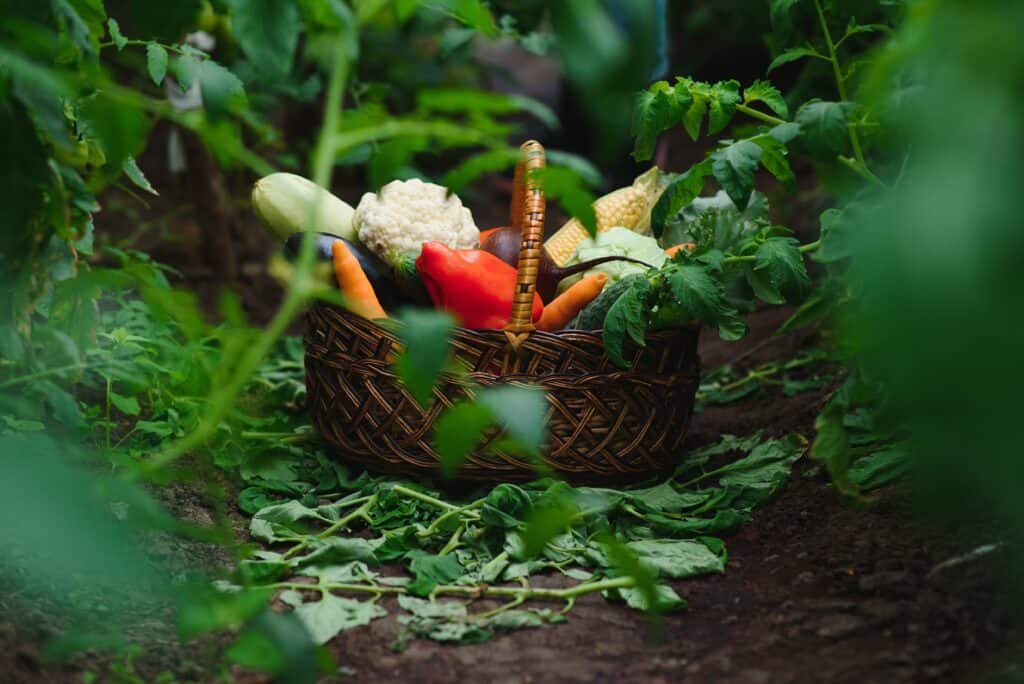
One of the best parts of fall gardening is having a fresh selection of vegetables to grow. While summer favorites such as okra thrive in the heat, cooler weather opens the door to leafy greens, root vegetables, and crops that prefer milder temperatures.
For fall gardens throughout Central Florida, consider planting:
- Broccoli and cauliflower: Cool-season vegetables that benefit from mild temperatures and plenty of sunlight.
- Lettuce and kale: Great choices for fresh salads and smaller garden spaces.
- Carrots and radishes: Root vegetables that grow well in loose, properly prepared soil.
- Cabbage and collard greens: Productive options for Florida’s cooler growing months.
- Beets and spinach: Good additions to a fall vegetable garden once temperatures become suitable.
- Herbs: Cilantro, parsley, and dill can be excellent choices as the weather cools.
Timing matters just as much as plant selection. Around Tampa Bay, mid-October is a useful target for establishing many cool-season crops, although actual planting dates depend on the weather and variety. According to the University of Florida IFAS Extension, gardeners should plan around their region’s growing calendar rather than relying on planting schedules developed for colder states.
Give Your Plants Room to Grow
It’s tempting to squeeze a few extra plants into a garden bed, especially when you’re excited about a new planting season. However, overcrowding can reduce airflow, increase competition for nutrients, and create conditions that encourage certain plant diseases.
Think about how large each plant will become rather than how small it looks when you bring it home. Broccoli and cabbage need more room to spread than radishes or leafy greens, while vining vegetables may need additional space or vertical support. Follow the recommended spacing for each variety, and leave enough room between rows to water, weed, and harvest comfortably.
Adjust Your Watering Routine as Temperatures Cool
Your garden’s watering needs will begin to change as Florida moves out of its hottest months. Cooler temperatures generally reduce evaporation, and some plants may use less water than they did during summer. However, fall can also bring stretches of dry weather, so cutting back too quickly can leave new plants struggling.
Rather than watering on the same schedule throughout the year, check the soil regularly. If the upper half-inch to inch feels dry, it may be time to water, depending on the plant and soil conditions. Newly planted vegetables and flowers typically need more frequent attention while their roots establish. Water early in the morning when possible, and avoid keeping the soil constantly saturated.
Don’t Forget Mulch Around Your Fall Plantings
Mulch does more than make a garden bed look finished. It helps conserve soil moisture, limits weed growth, and reduces temperature fluctuations around plant roots. In Florida’s sandy soils, maintaining a consistent layer of mulch can be particularly helpful when rainfall becomes less frequent.
Spread approximately 2 to 3 inches of suitable organic mulch around established landscape plants, keeping it away from stems and trunks. For vegetable beds, choose an appropriate mulch and use a depth that won’t bury small seedlings. Pine bark and other organic options can help protect the soil while giving your garden a cleaner appearance.
Keep an Eye on Florida’s Unpredictable Fall Weather
Even when daytime temperatures feel comfortable, Florida’s fall weather can still bring surprises. A warm spell may stress newly planted cool-season vegetables, while an occasional cold front can affect tender plants, especially farther inland.
Check the forecast before transplanting and keep frost protection materials available as winter approaches. Lightweight frost cloth can help protect vulnerable plants during unusually cold nights. If you’re growing vegetables in containers, moving them into a sheltered location may be easier than protecting an entire garden bed.
Get Your Fall Garden Ready at Council Growers Sod
A productive fall garden starts with healthy plants, properly prepared soil, and supplies suited to Florida’s growing conditions. At Council Growers Sod, our Garden Center offers potting soil, garden soil, mulch, compost, flowers, herbs, and seasonal vegetable plants to help you prepare your garden for the cooler months. Our selection changes throughout the season, so there’s always something worth checking out.
Visit our garden center at 3226 24th St SE, Ruskin, FL 33570, serving gardeners throughout Tampa, Brandon, Ruskin, and surrounding communities. We’re open Monday through Friday from 7:00 a.m. to 4:00 p.m. and Saturday from 8:00 a.m. to 1:00 p.m.
Get directions to Council Growers Sod Garden Center and stop by to find what you need for your next planting project. Whether you’re growing your first vegetables or refreshing a garden you’ve enjoyed for years, we’re happy to help you get the season off to a great start.