
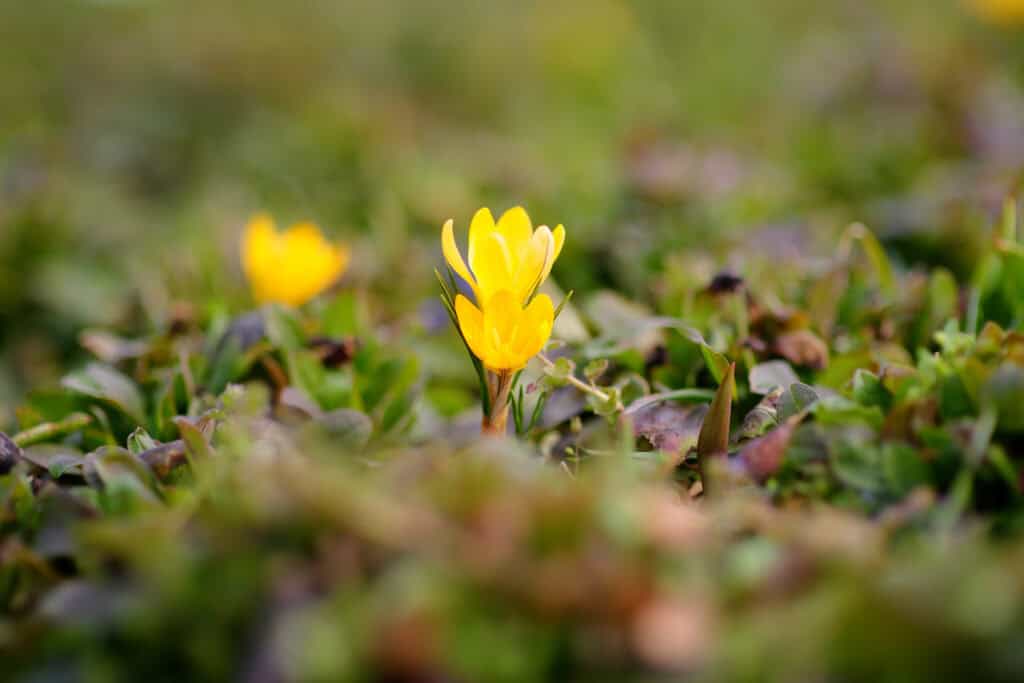
A Florida yard does not have to be wall-to-wall grass to look green, finished, and inviting. In fact, some of the most interesting landscapes around the state mix traditional turf with hardy groundcovers that bring in different textures, colors, and growing habits. Perennial peanut is one of those plants. Once you recognize its dense green growth and small golden-yellow flowers, you will probably start noticing it everywhere.
Perennial peanut has earned a place in Florida landscapes because it fits the environment remarkably well. Heat, sandy soil, periods of dry weather, and long growing seasons are simply part of landscaping here, and this tough groundcover is suited to those conditions. For homeowners looking beyond a conventional lawn, it offers an attractive way to cover open ground without creating another high-maintenance area of the yard.
Perennial Peanut Is Not What Its Name Makes It Sound Like
The name throws people off. Perennial peanut is related to the peanut grown as an agricultural crop, but ornamental perennial peanut is primarily valued as a warm-season groundcover. Rather than producing the familiar peanuts people buy at the grocery store, it spreads across the soil and creates a thick layer of green foliage.
Its growth habit is one of the biggest reasons it works so well in landscaping. Perennial peanut spreads through underground rhizomes, gradually filling open spaces and developing into a dense mat. During the warmer months, bright yellow flowers appear above the foliage, giving the planting a colorful appearance that stands out from a typical stretch of turf.
Florida Conditions Are Where It Really Shines
Florida asks a lot from anything planted outdoors. Summer brings intense sunshine, high temperatures, heavy rain followed by dry stretches, and soils that are often sandy and quick-draining. Perennial peanut handles many of those conditions well once it becomes established, which is a major reason it has found a home in landscapes across the state.
Some of its most useful characteristics include:
- Strong tolerance for Florida heat
- Good drought tolerance once established
- Adaptability to sandy soils
- Resistance to nematodes and several common plant problems
- Relatively low fertilizer needs
- Dense growth that covers exposed soil
- Bright yellow flowers during the warmer months
- Growth in full sun as well as some partial shade
Full sun generally brings out the best flowering. In the right location, perennial peanut creates an attractive combination of green coverage and seasonal color without requiring the same routine associated with a conventional lawn.
More Than a Pretty Groundcover
Perennial peanut earns its space because it does several jobs well. It may cover a large landscape bed, replace turf in a lightly used section of the yard, or bring life to a spot that has always been difficult to landscape.
A Different Kind of Lawn
For areas with limited foot traffic, perennial peanut works well as an alternative to traditional turf. Its low, spreading growth provides consistent coverage, while the yellow flowers create a completely different look from an ordinary lawn.
Heavy traffic is another story. If the family regularly walks through the area or children and pets use it for play, stepping stones or a dedicated pathway will help protect the planting.
An Easy Way to Fill Larger Beds
Large landscape beds sometimes leave homeowners wondering what to plant without filling every inch with individual shrubs. Perennial peanut spreads across those open spaces and creates a softer, more natural-looking layer beneath taller landscape features.
It also works nicely around palms and other larger plants where a lower groundcover keeps the area looking full without competing for attention.
Slopes and Sandy Areas Have a Lot to Gain
A bare slope might not seem like a major landscaping problem until a Florida downpour hits. Water moving across exposed or sandy soil gradually carries material away, leaving washed-out areas that require repeated attention. Perennial peanut offers a practical way to put those spaces to better use.
Its underground rhizomes spread and form a connected mat as the plant becomes established. That growth helps hold soil in place, making perennial peanut especially useful in areas where erosion is a concern. Instead of constantly repairing bare patches, homeowners get living ground coverage that also adds color to the property.
Low Maintenance Still Starts With a Good Start
Perennial peanut has a reputation for being low maintenance, but that does not mean it should simply be planted and forgotten. The establishment period matters. Regular irrigation early on helps the plants develop the root and rhizome system needed to spread successfully. Once established, care becomes much simpler:
- Water needs generally decrease as the plants mature.
- Frequent mowing is not necessary.
- Occasional mowing may encourage fresh growth and flowering.
- Fertilizer requirements are relatively low.
- Edging helps control spreading into nearby beds or turf.
- Stepping stones protect areas where occasional foot traffic is expected.
That last point about edging deserves attention. Perennial peanut spreads because of its vigorous rhizomes, which is exactly what makes it such an effective groundcover. A defined border using metal, fiberglass, or another suitable edging material helps keep that growth where you actually want it.
What Happens When Florida Gets a Little Cold?
Florida winters look very different depending on where you live. Perennial peanut generally remains evergreen in frost-free parts of the state, allowing landscapes to hold onto their green appearance throughout much or all of the year. In areas that experience colder temperatures or frost, the foliage may decline or disappear during winter, leaving the brown rhizomes visible. That seasonal change does not automatically mean the plants are gone.
As warmer conditions return, perennial peanut begins growing again. It is worth thinking about that seasonal appearance before using it as a major lawn alternative. Some homeowners love a landscape that naturally changes with the seasons, while others prefer consistent green coverage year-round.
Finding the Right Spot in Your Landscape
Perennial peanut does not need to replace every patch of turf to make a noticeable difference. Sometimes its best use is a specific part of the property where grass is difficult to maintain or where another texture would make the landscaping more interesting. Consider perennial peanut for:
- Sunny sections of the yard
- Large landscape beds
- Sandy areas that need reliable coverage
- Slopes where erosion is a concern
- Low-traffic areas where turf is unnecessary
- Spaces where less mowing is preferred
- Landscapes that would benefit from seasonal yellow flowers
For heavily traveled areas, traditional turf or hardscaping will usually make more sense. Matching the plant to the way the space is actually used is far more important than trying to make one groundcover work everywhere.
Perennial Peanut Grown for Florida Landscapes
Council Growers Sod has deep roots in Florida agriculture, with our family farming in the Tampa Bay area for generations. Today, we grow sod and groundcover at our local farms and serve homeowners, landscapers, builders, and other customers looking for products suited to Florida properties.
We grow the EcoTurf variety of perennial peanut. Our Garden Center is located at 3226 24th St SE, Ruskin, FL 33570, get directions here, and our team helps customers determine which option fits their landscape, property conditions, and goals.
Put That Difficult Part of the Yard to Better Use
A sunny slope, oversized landscape bed, sandy patch, or lightly used section of the yard does not have to become an ongoing maintenance project. Perennial peanut brings together dense green coverage, cheerful yellow flowers, drought tolerance, erosion control, and relatively simple care in a plant that feels right at home in Florida.
If perennial peanut sounds like a good match for your property, contact Council Growers Sod to talk with our team about your project. We will help you choose the right perennial peanut variety and determine the best way to bring a fresh, Florida-friendly look to your landscape.