Florida is one of the most unique growing environments in the country. The heat, humidity, sandy soil, and unpredictable weather patterns can make landscaping feel like a constant battle if the wrong plants are chosen. It is not uncommon to see homeowners investing time and money into plants that look great for a few weeks, only to struggle or fail as the seasons shift.
At Council Growers Sod, we see a different outcome when native plants are part of the plan. Gardens become easier to manage, landscapes start working with Florida’s climate instead of fighting it, and the results feel more natural, more vibrant, and far more sustainable. That is exactly why native plants continue to gain attention, especially as we move through Earth Day season and more people start thinking about how their outdoor spaces impact the environment.
Built for Florida From the Ground Up
Native plants are not just another landscaping option. They are species that have adapted to Florida’s climate over thousands of years. That means they are already equipped to handle the heat, the rain patterns, the dry spells, and even the occasional cold snap. When you plant species that belong here, you are not forcing them to adjust. They already know how to thrive. Here is what that looks like in a real yard:
- Less watering once established
- Reduced need for fertilizers
- Stronger resistance to local pests
- Better tolerance of Florida’s sandy soils
Plants like milkweed, coreopsis, and firebush do not struggle to survive in Florida conditions. They grow confidently because this environment is exactly what they were built for.
What This Means For Your Yard
- Fewer replacements after seasonal changes
- Lower maintenance throughout the year
- A landscape that looks full and healthy without constant intervention
The Pollinator Connection That Changes Everything
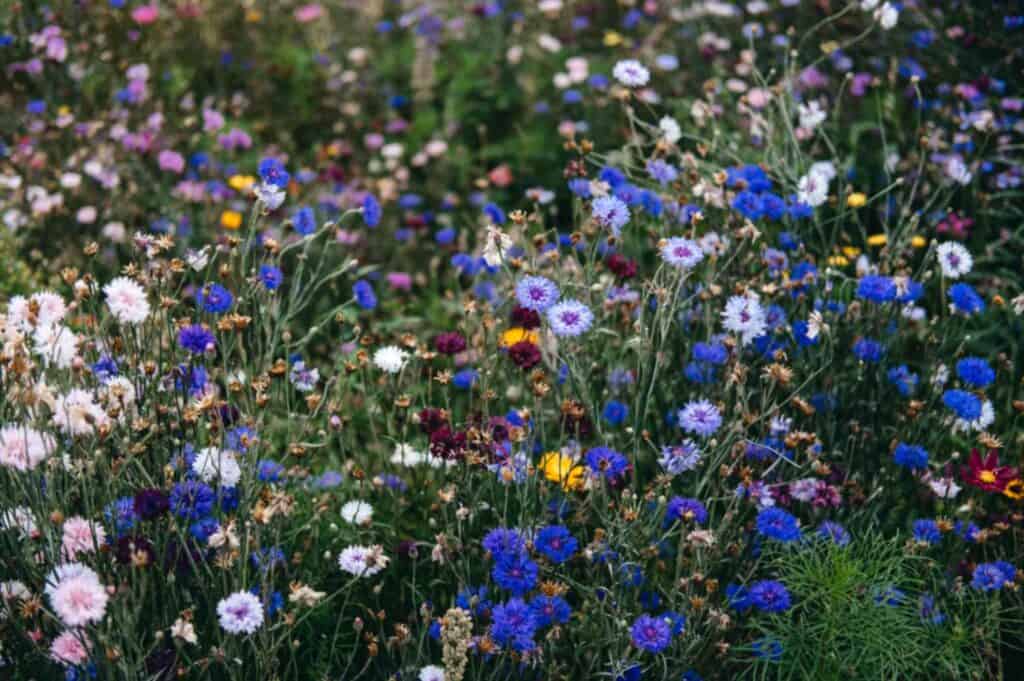
One of the most noticeable differences in a native plant garden is the life it attracts. Butterflies, bees, and birds are not just passing through. They start to settle in and become part of your outdoor space. Pollinators rely heavily on native plants because they have evolved together. Non-native plants often do not provide the same nectar, structure, or seasonal timing that these species need. When you incorporate plants like:
- Milkweed
- Bee balm
- Passion flower
- Blanket flower
You are creating a natural support system for pollinators that are essential to Florida’s ecosystem.
Why Pollinators Matter More Than Most Realize
- They support fruit and vegetable production
- They help maintain biodiversity
- They contribute to healthier, more resilient ecosystems
A garden filled with native plants becomes more than just something to look at. It becomes active, alive, and constantly changing in a way that feels connected to nature.
Less Work, More Enjoyment
There is a common assumption that a beautiful yard requires constant effort. In Florida, that usually comes from trying to maintain plants that are not meant to be here. Native plants flip that experience completely.
Because they are adapted to the environment, they require far less hands-on care. Once established, many of them can handle rainfall cycles without additional watering and grow naturally without the need for heavy pruning or chemical treatments.
Where You Start Noticing the Difference
- Water bills stay lower
- Time spent maintaining the yard drops significantly
- Plants hold their shape and color longer
Sunshine mimosa, frogfruit, and gaura are great examples of plants that fill in spaces naturally while staying low-maintenance. Instead of constantly adjusting your yard, your yard starts taking care of itself.
Natural Beauty That Feels Right in Florida
There is a distinct difference between a landscape that feels forced and one that feels like it belongs. Native plants create a look that blends seamlessly with Florida’s natural surroundings. Colors feel more balanced. Growth patterns look organic. The entire space feels more relaxed and inviting.
Native Plants That Bring That Look Together
- Coreopsis for bright, seasonal color
- Black-eyed Susan for bold contrast
- Carolina jessamine for climbing greenery
- Azaleas for classic Florida blooms
These plants do not just survive here. They enhance the natural beauty that already exists.
Supporting Florida’s Ecosystem in a Real Way
Earth Day is a reminder that small choices can have a lasting impact. Landscaping might not seem like a major factor at first, but the plants you choose directly affect the environment around you. Native plants play a key role in maintaining balance. They provide food and shelter for wildlife, improve soil health, and reduce the need for chemicals that can harm surrounding ecosystems. Every native plant added to a yard contributes to a larger network of support for Florida’s environment.
The Environmental Benefits Add Up Quickly
- Reduced runoff from fertilizers and chemicals
- Improved soil stability and health
- Increased habitat for local wildlife
It is not about completely changing your landscape overnight. Even adding a few native plants can start making a difference.
The Native Plants We Offer and Why They Work
At Council Growers Sod, we focus on offering native plants that are not only suited for Florida’s climate but also practical for everyday homeowners. Each plant serves a purpose, whether it is attracting pollinators, filling in ground cover, or adding color and texture.
Native Plant Options Available
- Milkweed
- Gaura or Wandflower
- Coreopsis or Tickseed
- Black Eyed Susan
- Blanket Flower
- Carolina Jessamine
- Firebush
- Dill
- Bee Balm
- Passion Flower
- Sunshine Mimosa
- Frogfruit
- Azaleas
These are not just plants that look good in a garden center. They are plants that continue to perform long after they are installed in your yard.
Designing a Yard That Actually Works Long-Term
A successful Florida landscape is not just about what looks good today. It is about how that space holds up over time. Native plants give you a foundation that grows stronger each season instead of weaker. They adapt, spread, and fill in areas naturally, creating a more complete and stable landscape.
Simple Ways to Start Incorporating Native Plants
- Replace high-maintenance areas with ground covers like frogfruit
- Add pollinator-friendly plants near patios or walkways
- Use flowering natives to create seasonal color without replanting
You do not need to redesign your entire yard to see the benefits. Starting small often leads to bigger changes once you see how well these plants perform.
Learn How to Build a Florida-Friendly Garden
There is a reason more homeowners are asking questions about native plants. Once you understand how they work, the benefits are hard to ignore.
At Council Growers Sod, we take that a step further by offering free classes throughout the year focused on Florida-friendly landscaping, native plant selection, and garden design. These sessions are designed to give you practical, real-world guidance you can actually use in your own yard. You can view the full list of upcoming classes here.
Make This Earth Day the Start of Something Better
This time of year naturally brings more attention to how we care for the spaces around us. Earth Day is not just about awareness. It is about taking simple steps that lead to lasting change. Choosing native plants is one of the easiest and most effective ways to create a landscape that works with Florida’s climate instead of against it.
It brings life into your yard, reduces maintenance, and supports the environment in a meaningful way. At Council Growers Sod, we are here to help you build something that lasts. Whether you are starting fresh or making small updates, native plants are one of the smartest investments you can make in your outdoor space. Contact us today or come and visit our Garden Center, get directions here.