
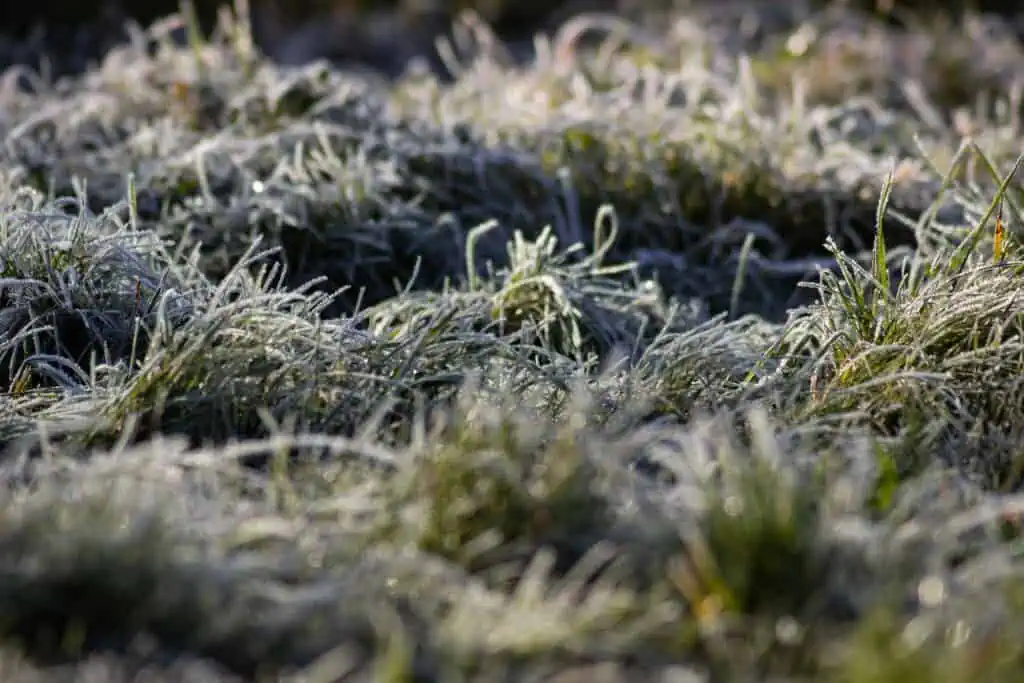
Cold weather is not something most Tampa homeowners spend much time thinking about. Sunshine, afternoon rain showers, and warm temperatures usually define what it means to live in Florida. Yet every now and then, a cold front rolls through the region and brings something unexpected. Frost forms overnight, temperatures dip lower than normal, and the yard can look very different the next morning.
Leaves may appear dark or wilted, grass can look dull and patchy, and delicate plants sometimes droop as if they gave up overnight. It is an unsettling sight for anyone who takes pride in their lawn or garden. The good news is that most Florida landscapes are tougher than they look. With the right approach and a little patience, many plants and lawns recover surprisingly well after a cold snap.
What Frost Damage Actually Looks Like in Tampa Yards
Frost damage does not always appear right away. Some plants look perfectly fine the morning after a cold night and only begin showing stress a few days later. The cold affects the water inside plant cells, which can cause damage that becomes visible as temperatures warm up again. Homeowners often notice several common signs when frost has taken a toll on their landscape.
- Grass blades turning dull gray or brown
- Leaves that suddenly look limp or water-soaked
- Dark or blackened edges on plant foliage
- Palm fronds with burned tips
- Flowers that collapse quickly after a cold night
Warm-season grasses like St. Augustine, which are common throughout Tampa, may naturally turn brown when temperatures drop. That seasonal browning does not necessarily mean the lawn is damaged. Frost damage becomes more noticeable when grass looks brittle, flattened, or uneven in patches. Watching your lawn and plants over the next week usually gives a clearer picture of how serious the damage really is.
One of the Best First Steps Is Surprisingly Simple
After a cold snap, many homeowners assume the safest thing to do is leave everything alone. In reality, one of the most helpful things you can do for your lawn and plants is give them a deep watering once temperatures warm up.
Cold weather often leaves soil dry, and plant roots can struggle to pull moisture from the ground when temperatures drop. Watering helps restore balance and encourages the plant to start recovering. A few simple watering habits can make a noticeable difference.
- Water deeply instead of lightly sprinkling the surface
- Choose morning hours once temperatures rise
- Focus on the root zone rather than spraying leaves
- Continue watering consistently during the following weeks
Lawns across the Tampa area often respond well to about half an inch of water twice per week during recovery. Keeping the soil evenly moist helps grass regain strength and encourages new growth. Potted plants may need even more attention since containers dry out faster than garden beds.
Resist the Urge to Start Cutting Right Away
The moment plants look damaged, the instinct is to grab pruning tools and remove the ugly leaves. While it may feel satisfying to clean things up immediately, cutting plants too soon can cause more harm than good. Damaged leaves actually serve a purpose after a frost. They act as a protective shield for the healthier parts of the plant underneath.
Removing that layer too early can expose tender growth to another cold night. Instead of rushing into pruning, give plants time to show what parts are truly alive. A simple trick gardeners often use is the scratch test:
- Gently scratch a small section of the stem or bark
- Look beneath the outer layer
- Green tissue usually means the plant is still alive
Once temperatures warm and new growth begins to appear, pruning becomes much easier. Dead sections will be obvious, and trimming them away encourages healthier growth moving forward.
Helping Frost-Stressed Lawns Recover
Lawns often take the biggest visual hit after a cold front. One morning, everything looks green and healthy, and the next day, the grass appears faded or thin. Fortunately, most warm-season turfgrasses used in Tampa landscapes are surprisingly resilient. Taking a few precautions during recovery helps the grass bounce back faster.
Limit Foot Traffic
Walking repeatedly on frost-affected grass can crush weakened blades. Giving the lawn some space during recovery prevents additional stress.
Hold Off on Mowing
Grass needs a leaf surface to produce energy while it recovers. Waiting until new growth appears before mowing allows the lawn to rebuild strength.
Remove Competing Weeds
Weeds compete with turf for nutrients and water. Carefully removing them helps grass regain access to what it needs to recover.
Watch for Thin Areas
Most lawns fill back in once temperatures warm. If certain spots remain thin, adding sod plugs or patching the area can restore a smooth, full lawn.
A little patience during this stage often saves homeowners from unnecessary repairs.
Timing Matters When It Comes to Fertilizer
Fertilizing immediately after frost damage might seem like a good way to help plants recover faster. Unfortunately, feeding too early can create new problems.
Fertilizers encourage fresh growth, and young shoots are extremely vulnerable to cold temperatures. If another chilly night arrives, that new growth can suffer even more damage. Waiting until the weather stabilizes gives plants a better chance to recover safely. When it is time to fertilize, consider a few helpful guidelines.
- Wait until temperatures consistently stay above 50 degrees
- Apply fertilizer once plants begin showing new growth
- Use balanced fertilizer for garden plants
- Choose turf formulas with higher potassium to support root health
Potassium strengthens roots and improves stress tolerance, which is particularly helpful for lawns recovering from cold weather.
A Simple Layer of Mulch Can Help More Than You Think
Plant roots often remain alive even when leaves look severely damaged. Protecting those roots helps ensure the plant can recover and produce new growth later in the season.
Mulch works as a natural insulating layer that stabilizes soil temperature and helps retain moisture. A few mulch tips go a long way.
- Apply two to three inches around plant bases
- Leave a small gap around stems or trunks
- Use natural materials like pine bark or wood chips
Besides protecting plants after frost, mulch improves soil quality and reduces weed growth over time.
When Some Plants May Not Recover
Many plants bounce back after a cold snap, but some delicate varieties simply cannot tolerate freezing temperatures. Annual flowers and tropical plants with soft stems are often the most vulnerable. A plant may not recover if you notice these signs:
- Stems and leaves that remain completely black
- Soft or mushy texture weeks after the freeze
- No signs of new growth as temperatures warm
- The entire plant collapsing at the base
Replacing those plants with hardier varieties can bring the garden back to life. Florida-friendly plants and resilient tropical species usually perform better when occasional cold weather appears.
Restoring Patchy Lawns with Fresh Sod
While many lawns recover naturally, frost can sometimes leave behind thin or uneven areas that never fully return to their previous condition. That is when fresh sod can make a dramatic difference. Installing new sod quickly restores color, density, and curb appeal to a lawn that has struggled after a freeze. Fresh sod offers several advantages.
- Instant green coverage across damaged areas
- Strong root systems that establish quickly
- A uniform lawn appearance without patchy spots
- Reliable recovery for heavily damaged turf
St. Augustine sod remains one of the most popular options for Tampa lawns because it thrives in Florida’s climate and creates a thick, durable lawn. Using high-quality sod ensures the new grass blends seamlessly with the rest of the yard.
A Few Simple Habits That Help Prevent Future Frost Damage
Cold weather may be rare in Tampa, but preparing for the occasional cold front can reduce its impact on your yard.
- Water Soil Before Cold Nights: Moist soil retains heat better than dry soil, which helps protect plant roots.
- Cover Sensitive Plants: Frost blankets or breathable coverings provide extra protection for tropical plants.
- Move Container Plants: Potted plants can easily be moved closer to the house or into sheltered areas.
- Choose Hardy Landscape Plants: Selecting plants suited to Florida’s climate reduces the risk of severe cold damage.
These small steps can make the next cold front far less stressful for homeowners and their landscapes.
Bring Your Tampa Lawn Back to Life with Council Growers Sod
Frost can leave Tampa lawns and gardens looking tired, but most landscapes recover with a little attention and care. Council Growers Sod has been helping homeowners and landscapers grow beautiful lawns across the Tampa area for years. With high-quality St. Augustine sod and expert guidance on lawn care, the team understands exactly what Florida landscapes need to thrive.
If frost damage has left parts of your lawn looking rough, refreshing those areas with premium sod can bring your yard back to life faster than you might expect. Reach out to Council Growers Sod to find the right solution and enjoy a greener, healthier lawn again.