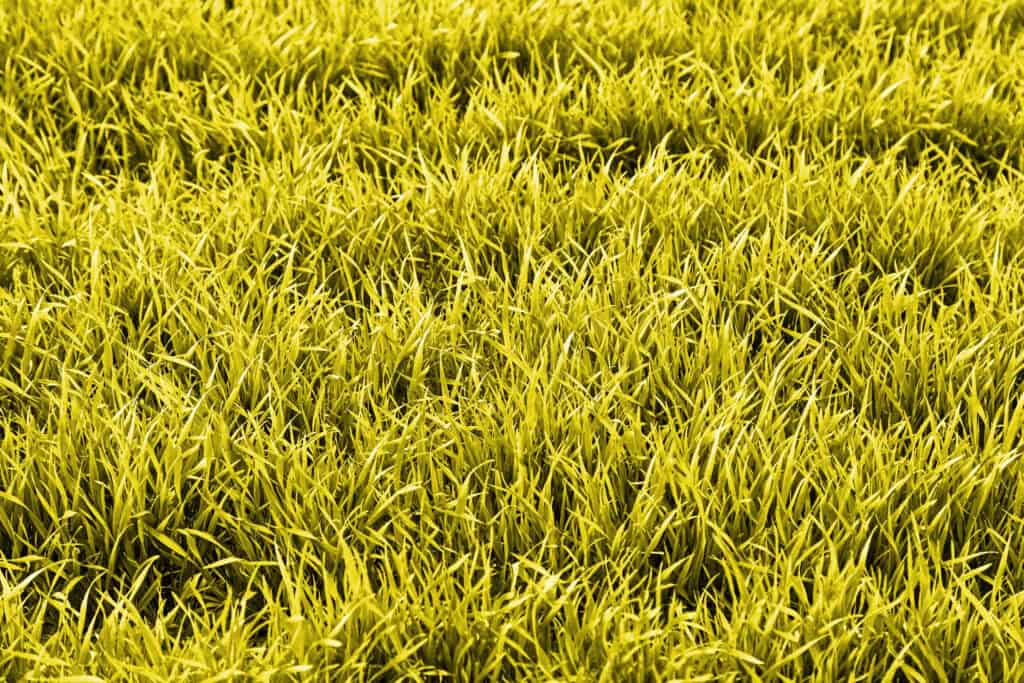
You finally have that fresh, green lawn you’ve been wanting. Everything looks great after installation, but a few days later, you notice something unexpected. Some of the grass is turning yellow. Before you start worrying about replacing sections of your new lawn, there’s something worth knowing: a little yellowing doesn’t always mean your sod is dying.
New sod needs time to adjust to its surroundings, develop roots, and begin absorbing moisture and nutrients from the soil. Some temporary discoloration can happen during this process, especially in Florida’s warm climate. However, yellowing can also point to watering problems, poor soil contact, or disease. The key is recognizing which changes are part of normal establishment and which ones need your attention.
Is It Normal for New Sod to Turn Yellow?
Yes, some yellowing can occur during the first several days after installing new sod. When sod is harvested, much of its existing root system is cut away. After installation, the grass must develop new roots that reach into the soil beneath it. During this transition, the grass may experience temporary stress that affects its color.
A few scattered yellow blades or slightly faded patches aren’t necessarily cause for concern, especially if the grass otherwise looks healthy. However, healthy sod should gradually establish itself and produce new growth. If the yellowing spreads, becomes more pronounced, or turns brown, it’s time to investigate.
Signs Your New Sod Is Adjusting Normally
Not every color change requires immediate action. A newly installed lawn may simply need additional time to establish its roots. Signs that your sod may be experiencing temporary establishment stress include:
- Minor yellowing in scattered areas rather than widespread discoloration.
- Grass blades that remain flexible instead of becoming brittle.
- Soil that stays appropriately moist without becoming waterlogged.
- New green growth appearing as the lawn establishes.
- Increasing resistance when you gently test whether the sod has rooted.
These signs are encouraging, but they don’t guarantee that everything is fine. Continue monitoring the lawn, especially during the first few weeks.
Too Much Water Can Be Just as Harmful as Too Little
Watering is one of the most important parts of establishing new sod, but more isn’t always better. New grass needs consistent moisture to develop roots, yet soil that stays saturated can limit oxygen availability and create conditions that encourage disease.
In Tampa, Brandon, Ruskin, and surrounding Florida communities, heavy afternoon rain can complicate watering schedules. A lawn that received plenty of rainfall may not need additional irrigation that day.
How to Recognize Overwatered Sod
Overwatered sod may begin turning yellow as its roots struggle in excessively wet soil. Warning signs include:
- Soggy ground that remains wet long after watering.
- Standing water or consistently muddy areas.
- Yellowing accompanied by thinning or soft, deteriorating grass.
- A musty smell or signs of decaying roots.
If the ground is already saturated, additional watering can make the problem worse. Check the moisture beneath the sod before adjusting your irrigation schedule.
Could Your Sod Actually Need More Water?
Underwatering can produce similar yellow patches, particularly along the edges of sod pieces or in areas exposed to intense sunlight. Newly installed grass has limited roots and can dry out quickly, especially during Florida’s hotter months.
Dry soil beneath the sod, curling blades, or grass that feels crispy may indicate insufficient moisture. Check whether your sprinklers are reaching every section of the lawn rather than assuming the entire yard receives equal coverage.
Poor Soil Contact Can Prevent New Sod From Taking Root
Sometimes the problem isn’t how much water you’re using. It’s what happens underneath the grass. New sod must make firm contact with the soil below so its roots can grow into the ground. If the surface wasn’t properly leveled or the sod wasn’t pressed into place, small air pockets may remain. These gaps can cause sections to dry out and develop yellow patches even when the rest of the lawn looks healthy.
Poor soil contact is worth investigating when:
- Yellowing follows the seams between sod pieces.
- Corners or edges begin curling upward.
- Certain sections dry out much faster than others.
- Sod remains loose instead of gradually developing roots.
- The ground beneath the sod is uneven or compacted.
If the sod was recently installed and hasn’t rooted, gently correcting a raised edge or improving contact with the prepared soil may help. Avoid repeatedly lifting sections or walking heavily on new sod, as this can interfere with root establishment.
When Does Yellowing Suggest Lawn Disease?
Florida’s combination of heat, humidity, and frequent rainfall creates favorable conditions for several turfgrass diseases. Although yellow grass doesn’t automatically mean fungus is present, certain patterns deserve a closer look.
St. Augustine grass, for example, can develop gray leaf spot or large patch disease under favorable conditions. These diseases may cause discoloration, thinning, or expanding damaged areas, although their symptoms can resemble other lawn problems.
Watch for changes such as:
- Yellow or brown patches that continue spreading.
- Distinct spots or lesions on individual grass blades.
- Grass that thins or deteriorates despite appropriate watering.
- Discoloration that appears alongside prolonged wet conditions.
Avoid automatically applying fungicide whenever you notice yellowing. Incorrect treatment may not address the actual problem, and different turf diseases require different management approaches. A lawn care professional or your local UF/IFAS Extension office can help identify suspicious symptoms.
What Should You Do When Your New Sod Starts Turning Yellow?
Before adding fertilizer, increasing irrigation, or assuming the grass needs replacing, take a closer look at the conditions around the affected areas. A few simple checks can help you narrow down what’s happening.
- Check the soil moisture. Carefully feel the soil beneath the sod. It should be moist during establishment, not completely dry or constantly saturated.
- Look at the pattern. Yellowing near edges may suggest drying or poor contact, while expanding patches can indicate other problems.
- Inspect the grass blades. Look for spots, lesions, unusual textures, or signs of deterioration.
- Check root development. After the sod has had time to establish, gently test a corner for resistance without pulling up developing roots.
- Review recent weather. Heavy rainfall, high temperatures, and changes in humidity can affect soil moisture and grass health.
Resist the temptation to immediately add fertilizer to yellow sod. Newly installed grass typically doesn’t need additional fertilizer during its initial establishment period, and applying it too soon can create unnecessary stress.
How Long Should You Wait for Yellow Sod to Recover?
If the yellowing is related to mild establishment stress, you may see gradual improvement as the roots develop and new green growth appears. Many warm-season sod varieties begin rooting into prepared soil within the first couple of weeks, although complete establishment takes longer and depends on weather, soil conditions, and grass variety.
Don’t judge recovery by the color of older blades alone. Look for healthy new growth and stronger root attachment. If yellow patches continue expanding, the grass becomes brittle, or sections show no signs of recovery, seek advice rather than waiting indefinitely.
Get Expert Sod Care Advice From Council Growers Sod
A few yellow blades don’t mean your new lawn has failed. Often, the solution involves adjusting how you’re caring for the grass rather than replacing it. Knowing whether you’re dealing with normal establishment stress, a moisture problem, or something more serious can save time, money, and unnecessary frustration.
At Council Growers Sod, we help homeowners throughout Tampa Bay, Brandon, Ruskin, and surrounding Florida communities choose and establish healthy lawns. Whether you have questions about watering, root development, or a section of sod that isn’t looking quite right, our team can help you understand the next steps. Explore our sod installation and care services or contact Council Growers Sod at (813) 633-8665 for guidance on keeping your new lawn healthy.