
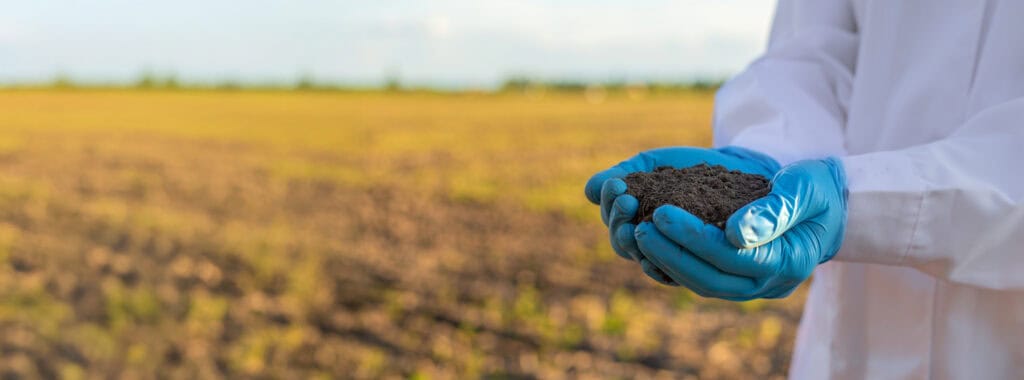
By now, most homeowners in Hillsborough County have felt the shift. June rolled in, the rain picked up, and just like that, the rules around lawn care changed. The summer fertilizer ban is officially underway, and it runs through September 30. If you are used to keeping your lawn green with regular feedings, this is the time of year when that routine has to pause.
Summer is when lawns grow fast and face the most pressure from heat, humidity, and daily storms. It is also when timing and technique matter more than anything. A few smart adjustments now can keep your lawn looking steady through the season while staying fully within the rules.
What Changed on June 1st and What It Means for Your Lawn
The fertilizer ban in Hillsborough County began on June 1 and applies to homeowners, HOAs, businesses, and landscaping companies. It centers around restricting nitrogen and phosphorus, which are the nutrients most commonly found in standard lawn fertilizers. During the rainy season, these nutrients are far more likely to wash away before your lawn can absorb them. That is why the ban is seasonal, not permanent. It is tied directly to the months when Florida sees the most consistent rainfall. For most homeowners, this means hitting pause on traditional lawn fertilizing and focusing more on maintenance. It may feel like a limitation at first, but it is really a shift in strategy rather than a full stop.
What You Can and Cannot Use Right Now
Knowing exactly what is allowed can save you from second-guessing every product on the shelf. The rules are specific, and once you understand them, it becomes much easier to stay compliant.
Not Allowed During the Ban
- Nitrogen-based fertilizers
- Phosphorus-based fertilizers
- Most standard turf fertilizers designed for growth
Still Allowed
- Fertilizers for vegetable gardens and edible plants
- Treatments for fruit trees
- Micronutrient products such as iron
Micronutrients are where many homeowners turn during the summer. They help maintain color without pushing the kind of growth that leads to runoff problems.
Why Fertilizer and Florida Rain Do Not Mix
Florida’s summer weather is the main reason this ban exists. When rain becomes a daily event, the way your lawn interacts with fertilizer changes completely. Even a perfectly timed application can be washed away within hours. Once nutrients leave your lawn, they do not just disappear. They move through stormwater systems and into local waterways, where they begin to affect much more than your yard.
Excess nitrogen and phosphorus fuel algae blooms, which are one of the most visible signs of nutrient pollution. You may have seen ponds turn green or develop a thick surface layer. That is the result of these nutrients feeding rapid algae growth. As algae spreads, it blocks sunlight from reaching seagrass. This affects marine life, including manatees, which rely on seagrass as a food source. Oxygen levels in the water drop, fish begin to die off, and the entire ecosystem starts to feel the impact.
The Consequences Are Real, Not Just a Warning
The fertilizer ban is enforced in Hillsborough County, and ignoring it can lead to more than just a reminder notice. It is classified as a misdemeanor, which means there are real penalties tied to violations.
- Fines can reach up to $500
- Repeat issues can lead to further enforcement action
- Legal consequences may apply depending on the situation
There is also a practical downside that many people overlook. Fertilizer applied during heavy rain often does not benefit your lawn at all. It washes away too quickly, leaving you with added cost and little to show for it.
Keeping Your Lawn Healthy Without Traditional Fertilizer
Summer lawn care is more about protecting what you have than trying to force new growth. A lawn that enters June in good condition can stay that way with the right habits. Mowing plays a big role. Keeping your grass slightly taller helps shade the soil and retain moisture. Cutting it too short can stress the lawn and make it more vulnerable to heat and disease.
Watering should be handled carefully. With frequent rain, many lawns receive more than enough moisture. Adding extra water without checking conditions can lead to weak roots and other issues. Leaving grass clippings on your lawn after mowing is one of the easiest ways to support it. As they break down, they return nutrients back into the soil naturally, which helps without violating the ban.
Simple Adjustments That Go a Long Way
Small changes in your routine can have a noticeable impact during the summer months. These are the kinds of habits that keep your lawn steady without requiring much extra effort.
Focus on These Habits
- Keep grass clippings out of storm drains to prevent nutrient runoff
- Avoid applying any products right before a storm
- Watch for signs of overwatering, especially in already saturated soil
These steps line up with the goal of the fertilizer ban while also helping your lawn handle summer conditions more effectively.
Why Some Lawns Handle Summer Better Than Others
The fertilizer ban tends to highlight differences between lawns. Some hold their color and density with minimal input, while others struggle as soon as fertilizing stops. A big part of that comes down to the type of grass and how well it is suited for Florida’s climate. Lawns with strong root systems and good heat tolerance are better equipped to handle periods without added nutrients. At Council Growers SOD, we work with homeowners throughout the Tampa Bay area who want lawns that perform consistently, even during challenging months like these. Choosing the right sod from the start reduces how much intervention is needed later.
What Happens When the Ban Ends
The fertilizer ban remains in place through September 30th. Once October arrives, nitrogen and phosphorus can be reintroduced, but how your lawn responds will depend on how it was cared for during the summer. Lawns that were maintained properly tend to bounce back quickly. Growth improves, color deepens, and overall health becomes easier to manage. Lawns that were stressed or overworked during the summer often take longer to recover. Planning for that transition now makes the process smoother later. A steady approach through the summer sets your lawn up for a stronger finish to the year.
Keep Your Lawn Looking Its Best All Season
The fertilizer ban is already in effect, but that does not mean your lawn has to lose its appearance or strength. It simply requires a different approach during the months when conditions are less predictable. Council Growers SOD helps homeowners throughout Tampa Bay maintain lawns that are built for Florida conditions. Whether you are dealing with thinning grass, patchy areas, or planning a full replacement, having the right sod and a clear seasonal plan can make a noticeable difference in how your lawn performs year-round. Contact us today.