

Florida gardeners have more choices than ever, and understanding the difference between Florida native plants, regional native plants, and ornamentals helps you build a landscape that’s both beautiful and sustainable.

Florida natives are species that originated and evolved within Florida’s natural ecosystems. They’re built for our heat, humidity, sandy soil, seasonal rains, and wildlife. Council native menu includes:
- Muhly Grass
- Simpson’s Stopper
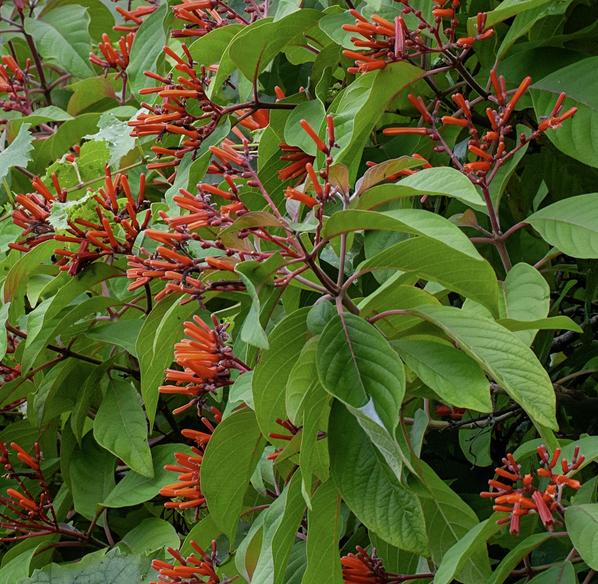
- Firebush
- Walter’s Viburnum
- Stokes Aster
- Sea Oxeye Daisy
- Jessamine
- Clusia
- Cocoplum
- Sea Grape & Sea Plum
- Railroad Vine
Why They Matter
Florida natives offer unmatched resilience to our climate, require less water and fertilizer, and support specialist pollinators, birds, and butterflies that rely on them. They don’t just feed our pollinators and wildlife; they provide them with shelter as well.

Regional natives come from the Southeastern United States; to include Georgia, Alabama, and the Carolinas. These plants aren’t exclusive to Florida, but they thrive here because they evolved in similar climates.
Council Regional Native Options include:
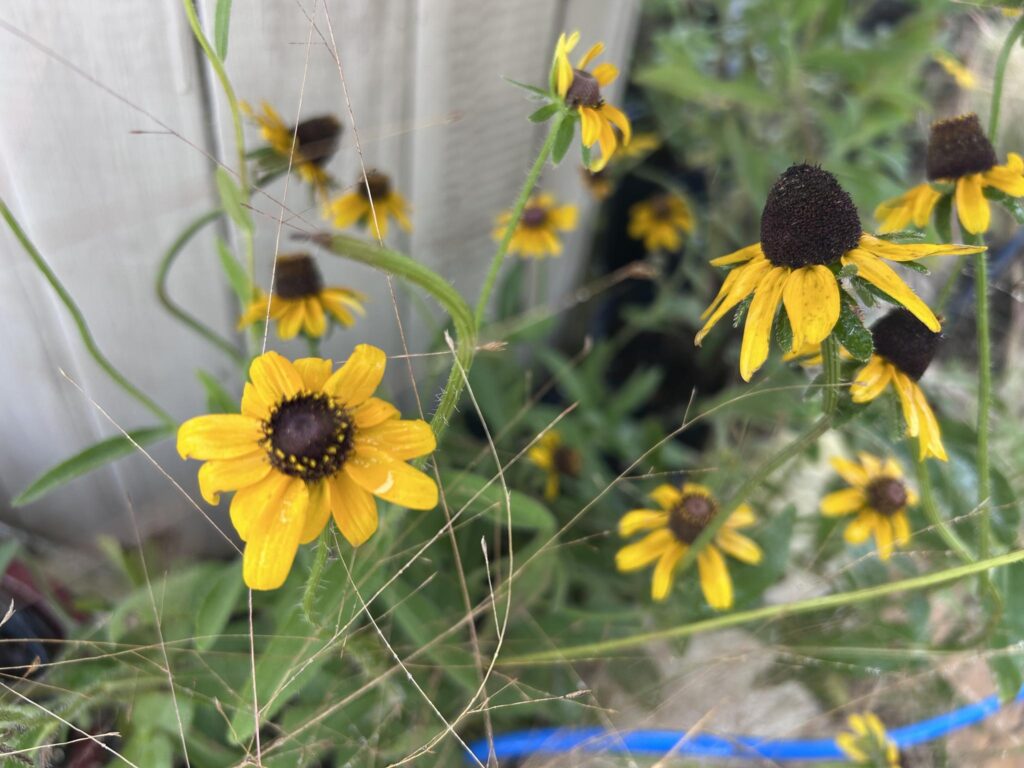
- BlackEyed Susan
- Purple Coneflower
- Swamp Milkweed
- Hydrangea
- Blazing Star Liatrus
- Maple Trees
Why They Matter
Regional natives expand our palette with more bloom colors, textures, and seasonal interest—while still supporting pollinators and performing well in Florida’s climate.

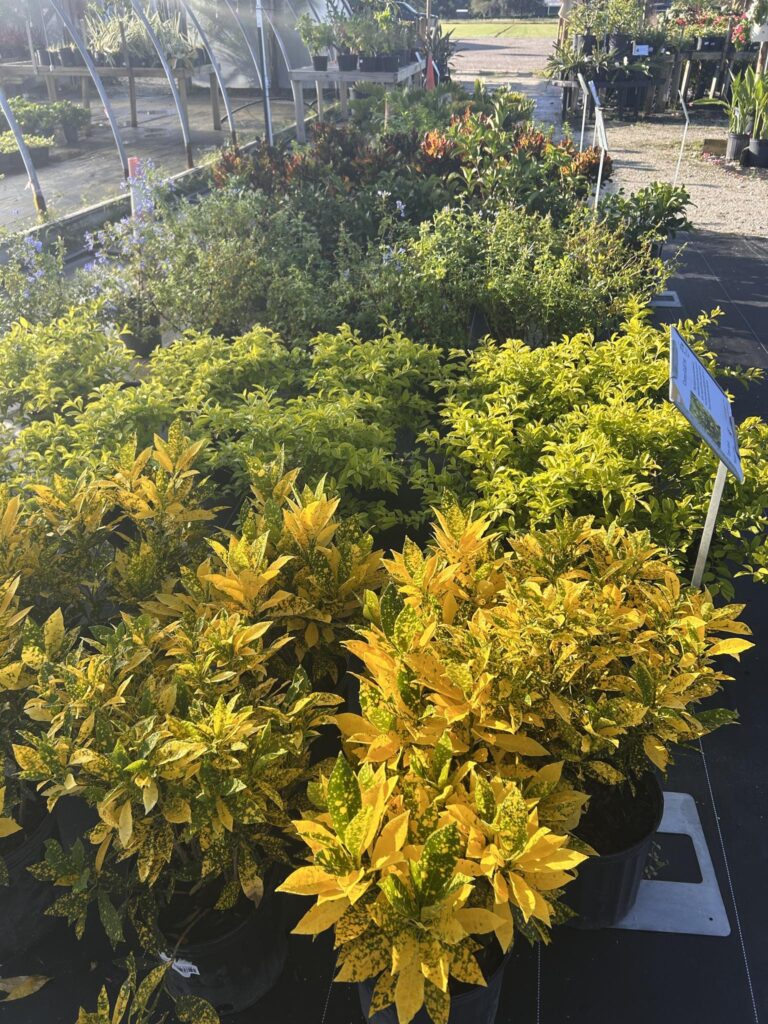
Ornamentals are nonnative landscape plants chosen for their beauty, structure, or unique color. They may come from other regions of the U.S. or from around the world. While not native, many ornamentals are welladapted to Florida and offer design flexibility.
Examples of ornamentals commonly used in Florida landscapes:
- Ixora
- Hibiscus
- Duranta
- Bougainvillea
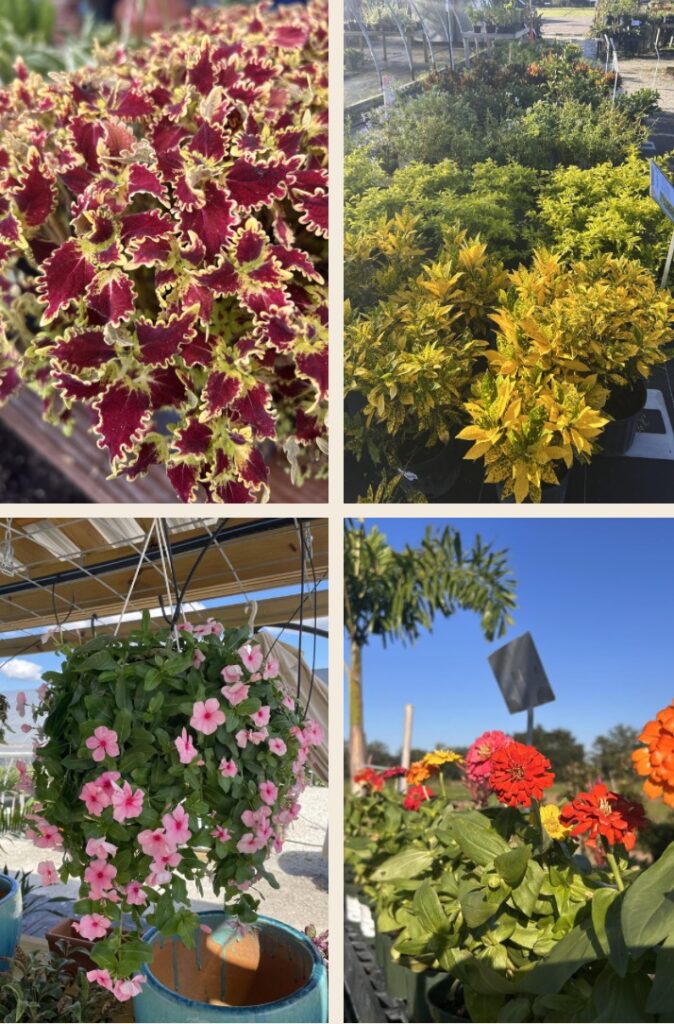
- Croton Varieties
- Crepe Myrtle Trees
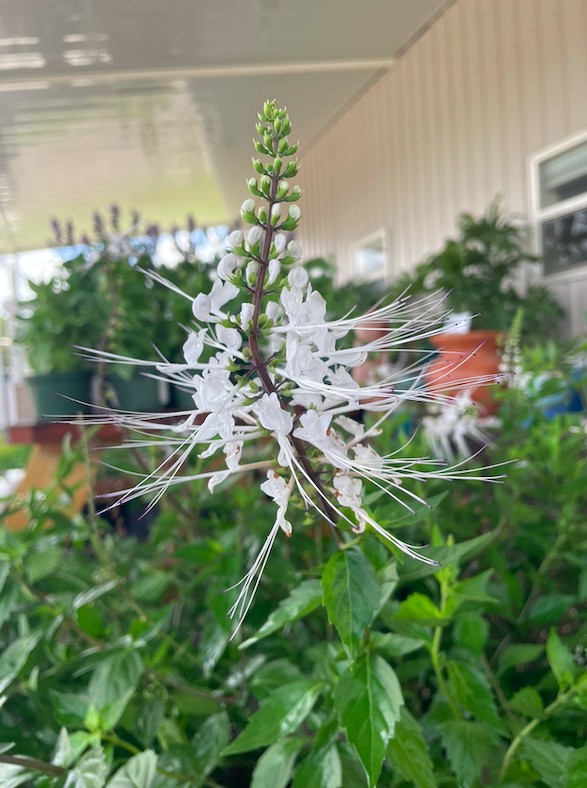
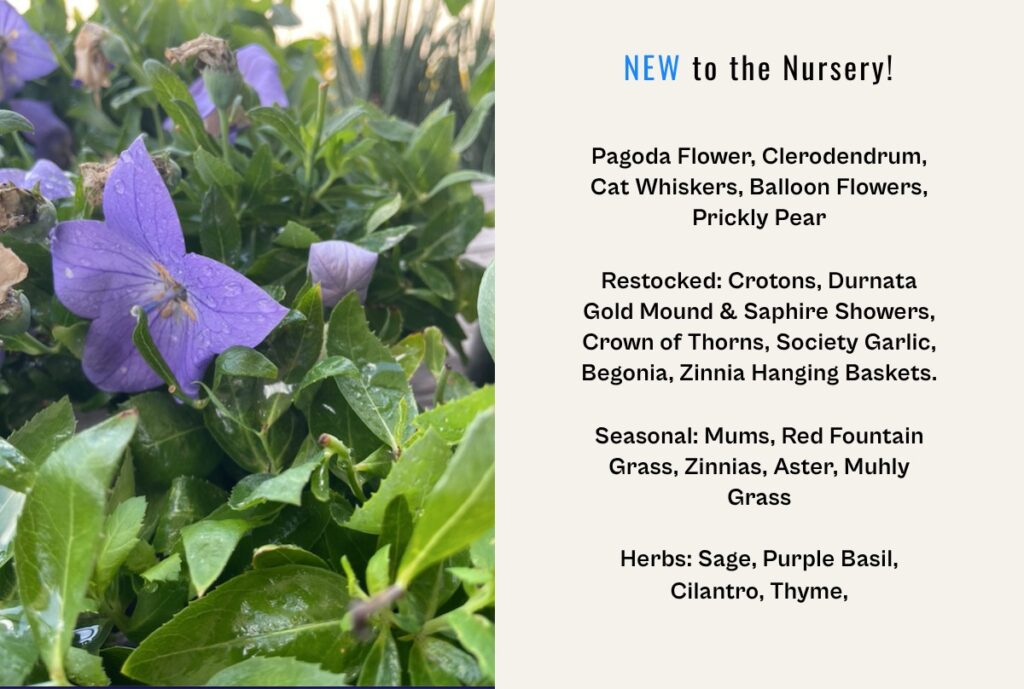
- Pagoda Flower
- Cat Whiskers
Why They Matter
Ornamentals provide bold color, tropical flair, and year-round visual impact. They help fill design gaps where natives may be limited—such as specific bloom colors, formal shapes, or high-impact focal points.

Days
Hours
Minutes
Seconds

This week we are taking you to the kitchen to cook with some of the herbs and vegetables we are growing. A delicious homemade sourdough loaf made with tomato sauce, fresh herbs, and a little garlic if desired! Perfect for sandwiches, toast, or enjoying with butter.
Tomato Sourdough Bread with Purple Basil & Rosemary
Ingredients:
½ cup active sourdough starter (fed and bubbly)
3½ cups all-purpose or bread flour
1 cup tomato sauce
½ cup lukewarm water (use ⅓ cup if your tomato sauce is thin)
1 tsp fine sea salt
2 tbsp fresh purple basil, finely chopped
1 tsp fresh rosemary, finely chopped
½–1 tsp garlic powder (optional)
Helpful Beginner Tips
Always use an active, bubbly sourdough starter.
Slightly sticky dough is normal, so avoid adding too much extra flour.
Regular fresh basil can be substituted for purple basil.
Garlic is optional but adds extra flavor.
Rising times vary depending on the temperature of your kitchen.
If the bread looks pale after removing the lid, bake uncovered a little longer.
Make sure your loaf pan and lid are oven-safe at 425°F


