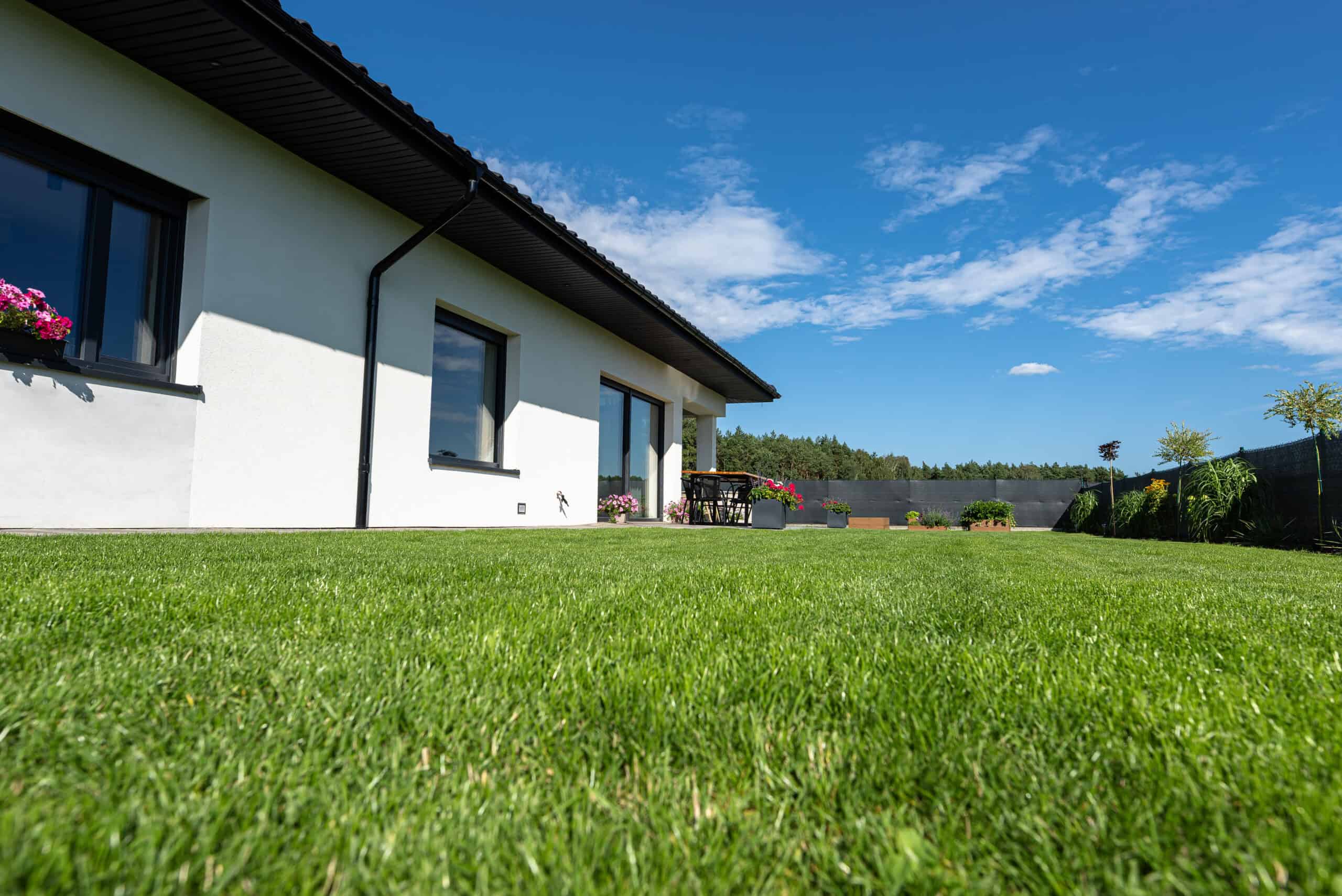
When families gather in parks or children run barefoot across a lawn, there’s something undeniably special about the feeling of real grass underfoot. At Council Growers Sod, we’re passionate about creating outdoor spaces that not only look beautiful but also nurture a healthier environment. We know that the choices you make for your outdoor areas have long-lasting impacts on community health, local ecosystems, and even the air we breathe. This discussion explores the advantages of natural sod compared to artificial turf, focusing on sustainability, health, and overall quality of life.
We believe that every lawn tells a story, a story of growth, renewal, and a deep connection to nature. With increasing evidence about the risks associated with synthetic surfaces and the chemical additives they sometimes contain, including PFAS compounds, we’re committed to offering an alternative that truly supports environmental stewardship. Our aim is to help you make informed decisions that benefit your home, your community, and our planet.
The Living Advantage of Natural Sod
Natural sod is more than just a green cover. It’s a living, breathing part of your environment. Our sod is carefully cultivated with methods that promote robust root systems and healthier soil, creating a dynamic ecosystem right in your backyard. This living carpet adapts to seasonal changes, continuously renewing itself and supporting a range of beneficial organisms. It offers an experience that synthetic materials simply cannot match, a connection to nature that benefits both body and mind.
- Soil Health: Living grass improves soil structure, encourages beneficial microorganisms, and helps prevent erosion.
- Natural Cooling: The moisture and growth cycle of sod can reduce ambient temperatures, providing a cooling effect during hot summer days.
- Eco-Friendly: Natural sod absorbs carbon dioxide, contributing to improved air quality and a healthier environment.
- Aesthetic and Sensory Appeal: The vibrant color, natural scent, and gentle sound of rustling grass create a multisensory experience that enhances any space.
Hidden Chemical Concerns in Artificial Turf
Artificial turf might seem like a convenient, low-maintenance option, but there are hidden issues that many overlook. Behind its uniform appearance, synthetic surfaces can harbor chemical compounds that may pose environmental and health risks over time. Some manufacturers use processing aids to improve the performance of turf, and recent research has highlighted concerns regarding chemicals known as PFAS. These compounds, while offering durability and stain resistance, are persistent in the environment and can accumulate in living organisms, raising long-term exposure concerns.
- Chemical Additives: Certain artificial turfs contain processing chemicals that are not fully understood and can linger in the environment.
- Persistent Compounds: PFAS, in particular, are known for their resistance to natural breakdown processes, meaning they can persist for decades.
- Potential Health Risks: Although research is ongoing, some PFAS have been linked to issues affecting the endocrine system, liver, and thyroid, as well as developmental concerns.
- Testing Limitations: The methods for detecting these chemicals in synthetic materials are still developing, which may mean not all risks are fully known or mitigated.
Understanding PFAS: What You Need to Know
PFAS (per- and polyfluoroalkyl substances) represent a group of man-made chemicals that have found their way into many consumer products, including some artificial turf materials. Their unique chemical structure makes them incredibly durable, which is why they’re sometimes used to help synthetic fibers withstand manufacturing processes. However, this same durability also means that once they enter the environment, they do not break down easily. Over time, these compounds can accumulate, raising concerns about long-term exposure for both humans and wildlife.
- Chemical Stability: Their strong carbon-fluorine bonds make PFAS resistant to degradation.
- Widespread Use: These compounds are found in many everyday items, meaning exposure can occur from multiple sources.
- Bioaccumulation: Over time, even small amounts of PFAS can build up in living organisms, leading to potential health concerns.
- Ongoing Research: Scientists are still uncovering the full range of effects associated with PFAS, highlighting the need for caution and further study.
The Environmental Impact of PFAS in Turf
When PFAS compounds are used in artificial turf, they can become a hidden source of environmental contamination. Although some manufacturers have moved to using shorter-chain PFAS as alternatives, these substitutes may also have long-term ecological effects. PFAS can seep into nearby soil and water systems, potentially affecting local wildlife and even entering the human food chain. For communities that rely on local water sources and natural landscapes, these risks underscore the importance of choosing materials that promote ecological health.
- Soil Contamination: PFAS can accumulate in the soil, potentially altering the natural nutrient balance and affecting plant growth.
- Water Quality: There is concern about these chemicals leaching into groundwater, which can have implications for drinking water safety.
- Wildlife Exposure: As PFAS accumulate in the environment, local flora and fauna may be exposed, potentially disrupting ecosystems.
- Long-Term Persistence: The enduring nature of these chemicals means that any contamination may persist for years, if not decades.
The Hidden Costs of Artificial Turf: Budget and Safety Realities
While synthetic turf is often marketed as a low-maintenance, long-term solution, many communities are surprised by the hidden and ongoing costs associated with installation, upkeep, and safety. These budget realities can significantly impact schools, parks, municipalities, and homeowners alike.
Upfront and Ongoing Costs
- Initial Installation: Artificial turf typically has a much higher upfront cost than natural sod. In many cases, the cost can be double or more depending on the scale and type of installation.
- Irrigation Isn’t Eliminated: Contrary to popular belief, artificial turf still requires water. Especially in hot climates like Florida, irrigation is often needed to cool the turf surface, which can become dangerously hot under the sun.
- Maintenance Expenses: Artificial turf needs regular cleaning, debris removal, and periodic sanitizing. To control mold growth and weeds, herbicides and anti-fungal treatments may be required. These products add to maintenance budgets and carry their own environmental risks.
- Replacement Costs: Artificial turf has a limited lifespan, typically 8 to 10 years. Replacement is a major cost, not to mention the labor and landfill impact associated with disposing of large quantities of synthetic material.
Health and Safety Concerns
- Surface Heat and Injury Risks: On warm days, artificial turf can become significantly hotter than natural grass, sometimes up to 40 to 60 degrees Fahrenheit higher. This creates a risk of burns and heat exhaustion, especially for athletes or children.
- Injury Risk for Athletes: Synthetic surfaces have been associated with a higher incidence of abrasions, joint injuries, and turf burns. Natural grass offers more cushion and natural give, which can reduce impact-related injuries.
- Bacterial Concerns: Artificial turf does not have the natural microbial balance that real soil and grass do. If not regularly sanitized, turf can harbor harmful bacteria such as staph and MRSA, increasing the risk of infection for those who play or walk on it.
Environmental and Community Impacts
The decisions we make about our outdoor spaces affect more than just our immediate surroundings. They have ripple effects on entire communities. Natural sod provides numerous environmental benefits that contribute to the health and vitality of local ecosystems. By promoting water infiltration, enhancing soil quality, and supporting biodiversity, natural lawns help build a foundation for long-term community resilience. In contrast, synthetic surfaces can create barriers to natural processes, reducing the ability of rainwater to filter into the soil and disrupting the habitats of local wildlife.
The Community Benefits of Natural Sod
Choosing natural sod means investing in a living ecosystem that supports community well-being on multiple levels. It not only provides a safe space for children and pets to play but also contributes to overall neighborhood aesthetics and property values. Healthy lawns encourage outdoor activity and foster social connections by creating inviting spaces where neighbors can gather. Moreover, the environmental benefits of natural sod extend far beyond visual appeal. They play a vital role in sustaining local biodiversity and reducing urban heat.
- Enhanced Play Areas: A soft, natural surface is ideal for sports and recreational activities, reducing the risk of injuries.
- Improved Air Quality: By absorbing carbon dioxide and releasing oxygen, natural sod contributes to a healthier atmosphere.
- Biodiversity Support: A thriving lawn supports a variety of insects and small animals, which in turn help maintain a balanced ecosystem.
- Neighborhood Pride: A well-maintained green space adds to the visual charm of any community, boosting property values and fostering a sense of togetherness.
Maintenance and Economic Considerations
While the initial investment in natural sod might require some planning, its long-term benefits are undeniable. Natural sod has the ability to self-regenerate with proper care, reducing the need for frequent replacement and minimizing ongoing maintenance costs. Unlike artificial turf, which may require periodic cleaning or chemical treatments, a healthy natural lawn thrives with routine watering and mowing. This makes it not only an environmentally friendly option but also a smart economic choice for homeowners and communities alike.
- Long-Term Savings: With fewer replacement cycles, minimal chemical treatments, and no sanitation or artificial maintenance requirements, natural sod proves more cost-effective in the long run.
- Fewer Chemical Inputs: Grass doesn’t require the same sanitizing agents or anti-microbial sprays that artificial turf often demands to stay safe and clean.
- Irrigation Efficiency: Properly managed sod requires less water over time and helps with water retention and infiltration, unlike plastic turf, which can contribute to runoff.
- Local Job Creation: Sourcing and maintaining natural sod supports growers, landscapers, and other regional businesses.
Building a Greener Community with Natural Sod
Our commitment at Council Growers Sod goes beyond just laying down grass. It’s about building a legacy of sustainability and community health. We take pride in offering a product that enhances not only the visual appeal of your space but also its environmental resilience. When communities opt for natural sod, they’re choosing a future where outdoor spaces foster healthy living and ecological balance. This approach creates a living legacy that benefits generations to come, promoting environmental stewardship at every turn.
- Community Wellness: Natural sod supports a healthier lifestyle by providing spaces that encourage outdoor activity and social interaction.
- Environmental Stewardship: By choosing a living product, you actively contribute to a healthier ecosystem and a more sustainable future.
- Aesthetic and Functional Value: The natural beauty of sod enhances both the look and usability of public and private spaces.
- Legacy of Growth: Each installation is an investment in long-term community resilience, helping to create greener neighborhoods for future generations.
Choose a Green Future with Council Growers Sod
At Council Growers Sod, we believe that every blade of grass contributes to a healthier, more sustainable world. By opting for natural sod over artificial turf, you’re choosing an option that nourishes the soil, supports local ecosystems, and provides safe, inviting spaces for families to enjoy. Join us in making a conscious decision to invest in your community’s future, a future where every lawn is a testament to the beauty of nature and the strength of environmental stewardship.
Contact us today to learn how Council Growers Sod can transform your outdoor spaces right here in the Tampa Bay Area. Embrace a greener future, and experience the difference that natural sod can make for you and your community.